A mattress topper category explores how adding a layer to a mattress can modify comfort, support, and thermal regulation. This overview highlights natural materials, construction methods, and the interplay between topper density, thickness, and fabric cover. Understanding these elements helps align a bedding setup with sleep preferences and room temperature control.
Natural wool and latex toppers offer distinct properties: wool provides breathable insulation and moisture management, while latex delivers responsive support and durability. The combination can address pressure points, sagging, and motion transfer, making it relevant for a range of sleepers, including those seeking organic or hypoallergenic options.
Key features to evaluate include thickness, fill power, and quilted cover fabric. Higher wool content often enhances temperature regulation and insulation, whereas latex cores contribute resilience and contouring. For nursery considerations, gentle support and safe materials are paramount, with attention to certifications and non-toxic finishes.
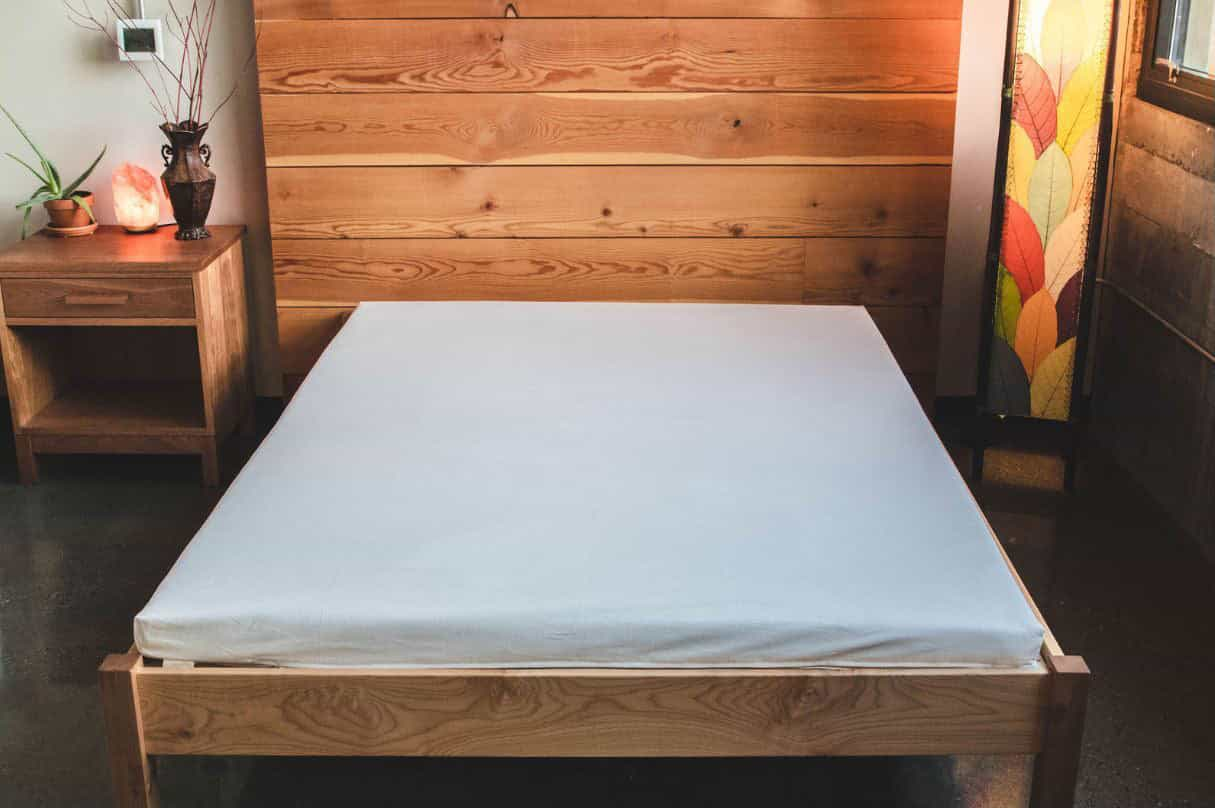
The Natural Wool & Latex Shikibuton exemplifies these principles, integrating wool fill for warmth and moisture wicking with latex layers for targeted support. Benefits include improved spinal alignment, reduced heat buildup, and longer-lasting resilience, suitable for various bed setups and adjustable bases when used as a topper.
Understanding compatibility with organic mattresses, bedding systems, and pillows helps optimize sleep environments. This category emphasizes material safety, sustainability, and practical use cases such as temperature regulation, allergy considerations, and long-term comfort across different climates and bedding arrangements.
 Bedding