Wool bedding · A practical guide
Comforter Fill Weight Explained: Finding the Right Warmth for Your Bed
A comforter’s fill weight can make a noticeable difference to how warm and breathable it feels overnight. But the number on a product specification is only part of the story. Fiber, quilting, shell fabric, bedroom temperature, and the way you sleep all influence whether a bed feels light and airy or deeply insulated.
Understanding those factors makes it easier to compare wool comforters without relying on vague labels such as “lightweight,” “all-season,” or “warm.” The aim is not to find the heaviest comforter available. It is to match the bed’s insulation to the room and to the sleeper, then choose a construction and care routine that will work in everyday life.
What does comforter fill weight mean?
Fill weight is the amount of insulating material inside a comforter. Depending on the maker, it may be reported as the total weight of the filling, the weight per square yard or square meter, or simply a description such as “light” or “medium.” These measurements are not always directly comparable. A total fill weight depends on the comforter’s dimensions; a weight per area gives a more useful sense of how much material is distributed across the surface.
For example, a larger comforter may contain more wool overall than a smaller one while having a similar amount of fill per square foot. When comparing specifications, check whether the figure refers to the whole comforter or to a defined area. Look for units such as grams per square meter (gsm), grams per square yard, or ounces per square yard, and compare like with like.
Fill weight describes quantity, not a guaranteed warmth rating. Two comforters with similar numbers can feel different because their fibers, loft, quilting, and cover fabrics differ. If a product page gives no exact fill weight, its weight category and construction notes can still be useful—but they should not be treated as a precise thermal measurement.
Why more fill does not always mean more comfort
Insulation works by slowing the movement of heat away from the body. Wool fibers and the spaces among them can hold pockets of still air, creating a layer that helps retain warmth. Adding more fill can increase the depth and insulating capacity of a comforter, but the result depends on how that material is arranged and how easily air can move through the finished bedding.
Wool is also valued for its ability to take up moisture vapor and release it into the surrounding air. That property can contribute to a bed that feels less clammy than one in which moisture accumulates. It does not mean every wool comforter will feel cool, dry, or comfortable for every sleeper: bedroom humidity, sleepwear, mattress materials, and personal temperature preferences all matter.
Consider the difference between insulation and weight. A comforter can feel substantial in the hands because it contains a dense filling or has a firm shell, yet still behave differently from a lofty comforter with more trapped air. Conversely, a relatively light wool comforter may provide welcome warmth when the room is cool, especially when paired with sheets and a duvet cover that suit the season.
It is therefore more helpful to treat fill weight as one clue in a larger picture. The comforter’s stated warmth category, construction, intended season, care requirements, and the climate in which it will be used should be read together.
Lightweight, medium-weight, and heavier wool comforters
Product terms are not universal technical standards. One maker’s “light” comforter may not have exactly the same fill density as another’s. Still, the categories can help frame a decision when combined with specific measurements and details.
Lightweight comforters
A lightweight comforter is often a practical choice for warmer bedrooms, mild seasons, or sleepers who prefer a less insulated bed. It can also be useful as one layer in a flexible bedding system. In a cool room, a lighter wool comforter may still provide warmth, but the right choice depends on the construction and on whether you use additional blankets or a duvet cover.
Lightweight designs are not automatically suitable for every hot sleeper. A warm room, heavy sleepwear, or a less breathable surrounding layer can still lead to overheating. Nor does a light label tell you whether the comforter is washable; that is a separate question governed by its materials and construction.
Medium-weight comforters
Medium-weight options can serve people looking for a balance between coverage and insulation, particularly in rooms that cool noticeably at night. One listed example, the Healthy Choice Medium Weight Organic Wool Comforter, specifies 350 grams of organic wool per square meter. That figure provides a useful reference for understanding how fill weight may be presented, but it should not be treated as a universal threshold for every medium-weight comforter.
Its quilting is described as helping keep the filling evenly distributed. That detail matters: a consistent spread of wool helps avoid areas that feel unusually thin or bulky. The product’s care guidance also says not to wash the comforter and recommends spot cleaning and airing, so its warmth category should be considered alongside the maintenance it requires.
Heavier comforters
A higher fill weight may appeal in cold rooms or to people who want a warmer, more enveloping layer. Yet a heavier comforter can be less adaptable through the year, especially if a home’s nighttime temperatures change widely by season. It may also be a poor match for someone who likes lighter bedding, even if that person tends to feel cold.
Before choosing a heavier option, ask whether the bedroom is consistently cold or merely chilly on a few winter nights. If the temperature changes often, a layered arrangement may provide more control than relying on one very warm comforter.
The other factors that shape bedding warmth
Fill weight is only one part of a comforter’s thermal character. The following elements can alter the way warmth is retained, released, and felt at the surface.
- Fiber type: Wool, alpaca, and wool blends have different structures and performance characteristics. A blend may be designed to combine qualities of more than one fiber, but the fiber names alone do not establish its warmth. The amount of each fiber and the way it is processed also matter.
- Quilting and stitching: Stitching helps hold fill in place. A pattern that divides the comforter into compartments can reduce migration, though its impact depends on the particular design. Gaps, seams, and pockets may create different local sensations of warmth.
- Shell fabric: The outer fabric changes the feel against the skin and can influence airflow. Cotton, for example, may be used as a soft cover around wool fill. Thread count is one specification, but it does not by itself describe the whole comforter’s breathability or warmth.
- Duvet cover: A cover protects the comforter and adds another layer of fabric. A thick or closely woven cover may feel different from a lighter one. It can also alter how the comforter drapes and how quickly it feels warm.
- Room conditions: Insulation, drafts, humidity, heating schedules, and the mattress’s own materials all contribute to the sleep climate. A comforter that suits one bedroom may feel too warm or too light in another.
- Personal preference: Some people like the sensation of substantial bedding; others prefer a light layer that is easy to move beneath. Sleepwear, activity level, and differences in temperature sensitivity can change what feels comfortable.
These factors explain why a single warmth label cannot predict the experience precisely. Read product descriptions for measurable details, then use your own room and habits as the final guide.
How to choose for your room and routine
Start with the conditions in which the comforter will be used. Rather than choosing solely by the season printed on a label, note how the room behaves at night. Does it stay warm after the heating turns off? Does it become cold before dawn? Is the bed near a drafty window, or does sunlight make the room warm in the morning?
- Observe nighttime temperatures. If possible, note the bedroom temperature over several nights in different seasons. A snapshot taken in the afternoon may not reflect the environment during sleep.
- Think about your current bedding. Consider whether you already wake up warm or cold, and whether the problem changes when you switch sheets, sleepwear, or blankets.
- Decide how much flexibility you need. A single comforter can be straightforward, while separate layers can be adjusted as the weather shifts or two sleepers have different preferences.
- Check the specification format. Look for a fill weight per area, not just total weight, if you want to compare products. Confirm dimensions before comparing total fill quantities.
- Read care instructions before buying. A comforter that requires spot cleaning or professional care calls for different routines from one designed to be machine washed.
If you share a bed with someone who sleeps at a different temperature, consider whether one uniform warmth level will suit both of you. A dual-weight design or separate layers may offer a more comfortable compromise than simply choosing a heavier comforter for everyone.
Layering for changing seasons
Layering makes it possible to adjust bedding without replacing the main comforter whenever the weather changes. A lighter comforter can be combined with a blanket during a cold spell, then used alone when the room warms. The layers work best when they are easy to add or remove and do not make the bed uncomfortably bulky.
A two-layer comforter is another approach. Some designs join separate layers with ties, allowing them to be used together in colder conditions or separately when less warmth is needed. This can create a flexible system, but it also means more pieces to manage and specific washing instructions to follow. Check whether each section is intended to be used independently and how the layers fasten together.
Layering can also help people with different temperature preferences, but it is not a substitute for fit and breathability. If extra blankets trap too much heat or shift during the night, a better-matched comforter may be the simpler solution. Think of layers as adjustable tools rather than a universal answer.
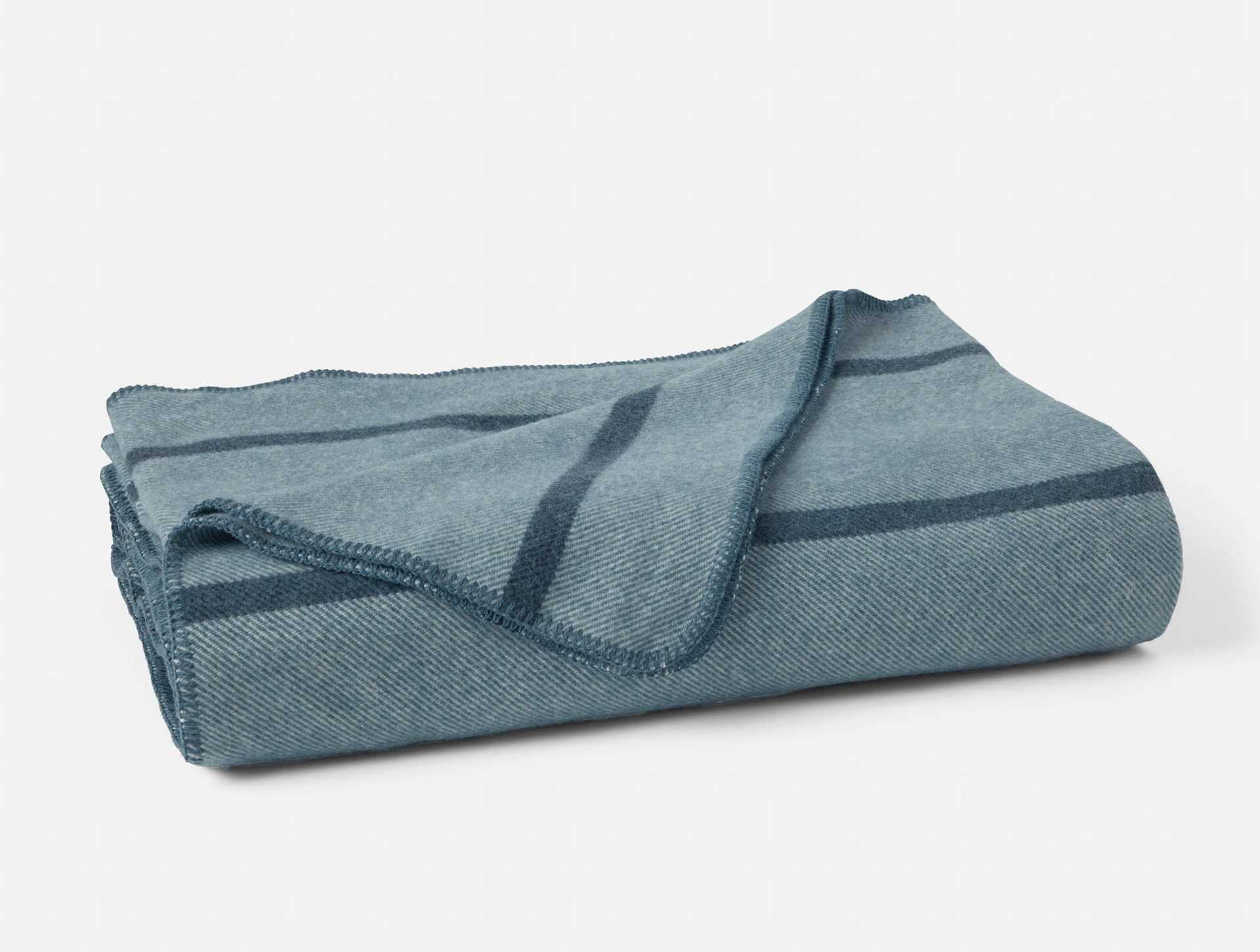
Wool blankets can provide an additional covering layer, but they are not comforters and their weight or care instructions do not directly reveal the fill weight of a wool comforter. Keep those product types distinct when comparing specifications.
When a wool-and-alpaca blend enters the comparison
Some comforters combine wool with another natural fiber. The Alpaca and Wool Comforter, for example, is described as containing organic alpaca fiber and wool batting within a GOTS-certified organic cotton cover. Its crescent-moon stitching is intended to help keep the filling distributed across the comforter.
This example illustrates why a fiber blend should be evaluated through its full specification, not its name alone. The product description identifies the materials and construction but does not provide a numeric fill weight. Without that measurement, it would be misleading to assign it a precise warmth level or compare its fill quantity directly with a comforter that lists grams per square meter. If fill weight is central to your decision, look for a stated measurement or ask the maker for clarification.
For any blend, note the proportion of each fiber if it is available, the shell material, the stitching pattern, and the cleaning method. Those details help establish whether the comforter fits your needs better than a simpler wool-filled design.
Care is part of the warmth decision
Wool bedding does not all follow the same care routine. Some comforters are designed to be washed under carefully specified conditions; others should not be washed and are maintained through airing, spot cleaning, or professional cleaning. A washable label should never be assumed merely because the fill is wool. The cover, quilting, fill treatment, and manufacturing method all affect the instructions.
Before washing, read the care label for the exact product. A design that permits cold-water washing may still prohibit agitation, wringing, or machine drying. Another comforter may require a duvet cover and occasional airing instead. Ignoring those differences can cause wool to felt or shift, change the comforter’s dimensions, or damage the shell.
Using a removable duvet cover can reduce everyday exposure to spills and body oils, which may help limit how often the comforter itself needs attention. Airing can refresh bedding, but recommendations vary: follow the maker’s directions, especially about direct sunlight and heat sources. Proper storage matters too. Make sure bedding is clean and completely dry before putting it away, and use a clean, pest-resistant storage container appropriate to the manufacturer’s advice.
Care requirements may seem separate from warmth, but they affect how practical a comforter is over time. A fill weight that seems ideal is less useful if the maintenance routine does not suit your household.
Common comparison mistakes
- Comparing unlike measurements: Total fill weight, weight per area, and general warmth labels describe different things. Check the units and measurement basis.
- Assuming “all-season” means universally comfortable: This is a descriptive category, not a guarantee. Rooms and sleepers vary.
- Using fiber content as a warmth rating: “Wool” or “wool blend” does not tell you the fill quantity, loft, or finished construction.
- Overlooking the cover and quilting: These affect feel and fill distribution, and can change the overall sleeping experience.
- Ignoring care: Washability and cleaning guidance differ across designs, including those made with similar fibers.
- Choosing only for the coldest night: A very warm comforter may be uncomfortable on most nights if the bedroom is usually mild.
When a product page leaves out a key specification, treat that absence as a reason to seek clarification rather than to guess. A careful question about fill weight, units, or care is more useful than trying to infer a precise number from a photograph or a broad marketing description.
A simple decision framework
For a quick, grounded comparison, move through four questions. First, how warm is the bedroom during the hours you sleep? Second, do you naturally prefer a warm, close covering or a lighter one? Third, will you use the comforter through one season or across a wide range of temperatures? Finally, can you follow its care instructions comfortably?
If the room is mild and you prefer light bedding, begin with lightweight options and check the actual fill specification where available. If the bedroom becomes distinctly cold, a medium or heavier choice may be more suitable, especially if you do not want to add layers. If temperatures fluctuate, consider a design that can be adjusted or layered. In every case, verify dimensions, shell fabric, stitching, and care before making the final comparison.
This framework cannot predict exactly how a comforter will feel on your bed. It can, however, narrow the field to choices that make sense for the conditions you actually sleep in, rather than for an abstract idea of winter or summer.
The right warmth is a balance, not a number
Comforter fill weight is a valuable starting point because it describes how much insulating material is present. But the number becomes meaningful only alongside its units, the comforter’s size, its fibers and shell, the quilting, and the room where it will be used. A higher fill weight may offer more insulation, yet it is not automatically the better choice.
For wool comforters, compare like-for-like measurements where possible, and use product care guidance as part of the decision. Think about your bedroom’s nighttime temperature, your own sleep preferences, and whether a flexible layered setup would serve you better than one fixed warmth level. When a specification is missing, do not invent certainty: ask for details or compare another clearly documented option.
The most useful comforter is the one that supports a steady, comfortable sleep climate in your particular room—and remains practical to care for as seasons turn.