Blankets serve as a foundational layer for warmth, comfort, and insulation across varying climates and seasons. In wool-focused environments, the natural properties of wool provide breathable warmth, moisture management, and durability. Understanding fiber composition, weave, and weight helps determine how a blanket performs in temperature regulation and cozy for different sleeping preferences.
Wool blankets combine insulation with humidity management to maintain a comfortable microclimate. The luxurious fibers trap air for warmth without overheating, while wicking away moisture to keep skin dry. This balance supports restful sleep and reduces heat buildup, making wool blankets suitable for year-round use in varied bedding setups.
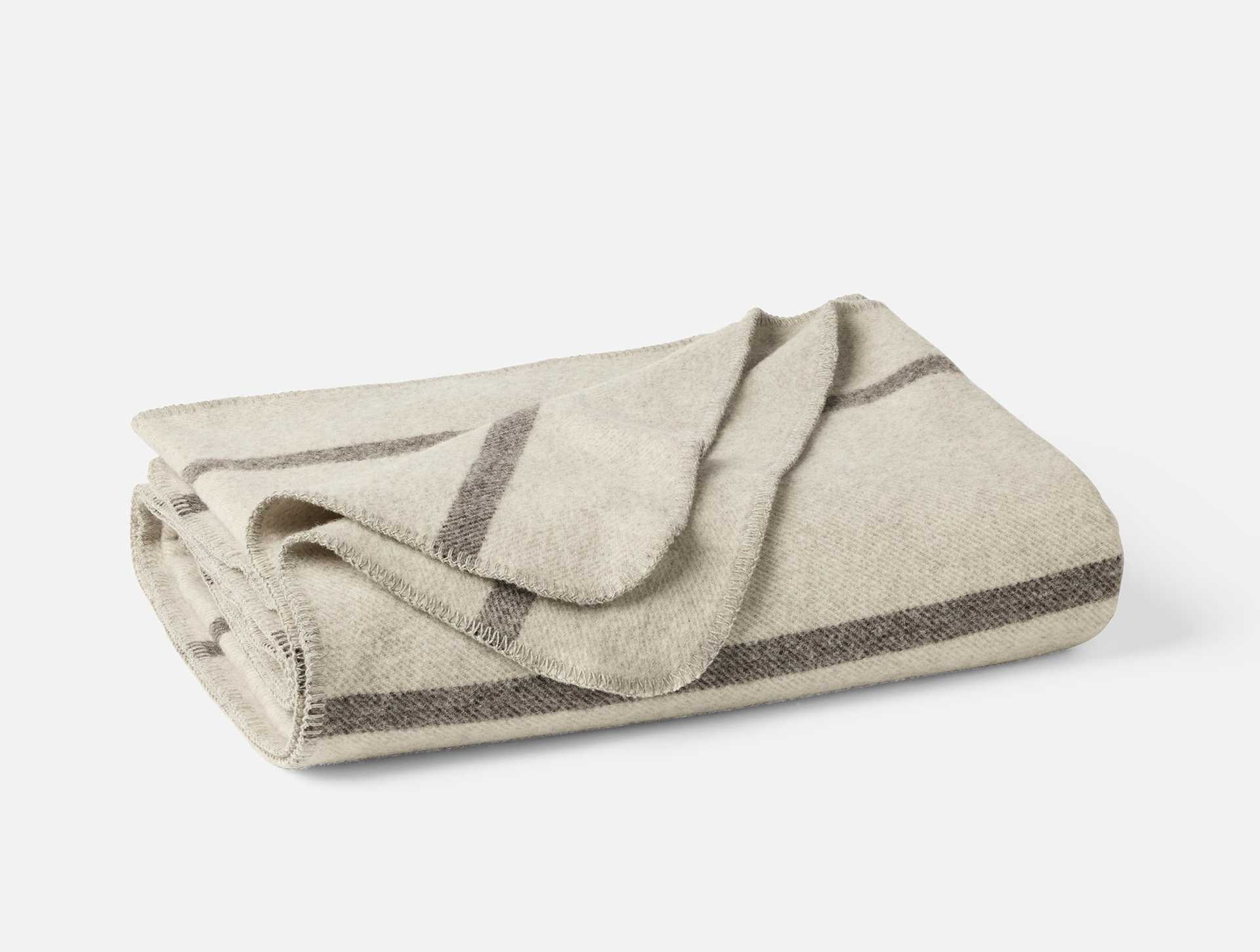
The Tahoe Wool Blanket, a highlighted example, features tightly spun wool for strength and long-lasting warmth. Its natural lanolin content offers a subtle tactile softness, while the blanket’s looser weave promotes airflow. Functional benefits include hypoallergenic properties and resilience against pilling, suitable for daily household use and nursery environments.
When selecting a wool blanket, consider weight, weave, and fiber origin to assess thermal performance and care requirements. Heavier options deliver robust warmth for cold nights, while lighter blends provide versatile layering. Proper care preserves texture, fiber integrity, and color, aligning with long-term bedding goals and organic material preferences.
Overall, blankets in this category emphasize natural materials, sustainability, and compatibility with diverse bedding ecosystems, including pillows, organic mattresses, latex, and nursery settings. The focus on wool aligns with environmentally conscious choices, offering durable, breathable comfort that complements a cohesive bedding approach rooted in quality fibers and thoughtful construction.
 Bedding